
Preventative Maintenance Tips to Avoid Major Leak Repairs
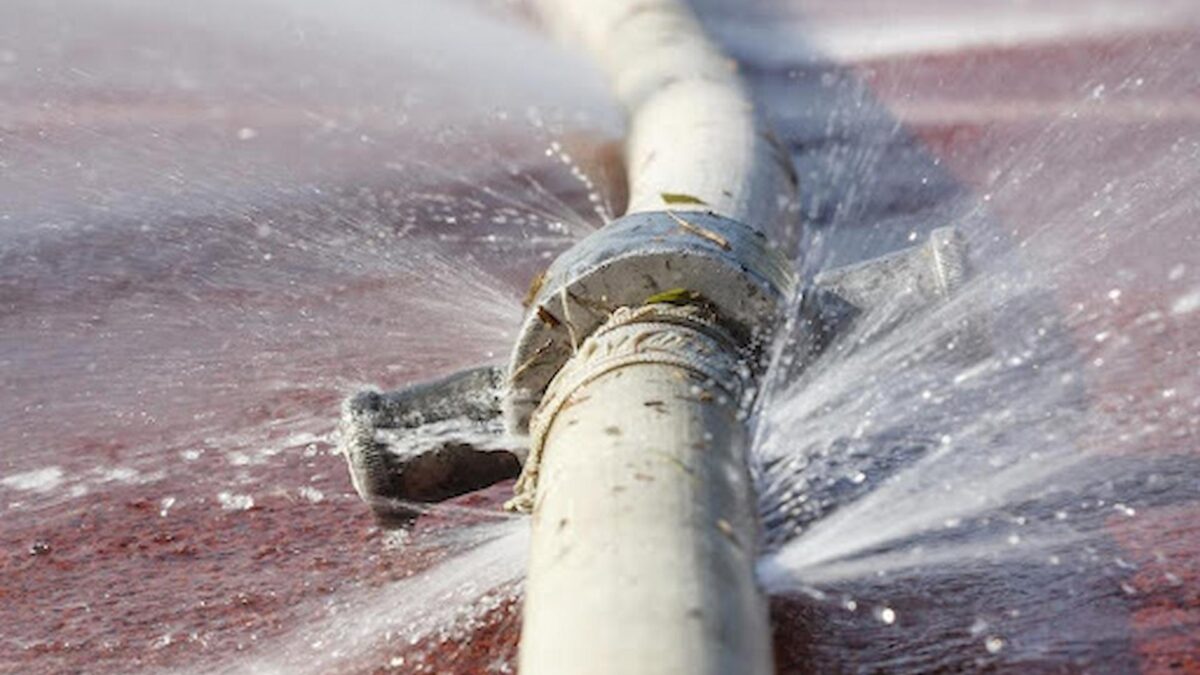
Small leaks can turn into expensive disasters if ignored. With a few smart habits and early checks, you can protect your home, avoid major repairs, and save thousands. These preventative maintenance tips make leak prevention simple, practical, and manageable—helping you keep your plumbing healthy all year round.
Water leaks are one of the most common and expensive issues homeowners face. A tiny drip may seem harmless, but it can quickly escalate into structural damage, mould growth, and soaring water bills. Many households discover leaks only after serious damage has already occurred, and by then, the cost of fixing the problem can be overwhelming.
The good news is that most leaks can be prevented with regular maintenance and early awareness. Routine checks and timely action reduce the risk of emergencies and limit the need for extensive leak repair services. While professional support is essential when a serious issue arises, taking small preventative measures now can safeguard your home from costly repairs later.
Why Preventative Maintenance Matters
Preventative care isn’t just about fixing problems—it’s about stopping them before they happen. Research suggests that up to 10% of residential water supplies are lost through leaks each year. Even a slow drip, wasting just a few millilitres per minute, can add up to thousands of litres annually.
Ignoring potential warning signs can also lead to:
- Damage to walls, ceilings, floors, and foundations
- Increased energy and water bills
- Reduced property value
- Health risks from damp and mould
Routine inspections and good habits can dramatically extend the lifespan of your plumbing system and reduce the likelihood of emergency breakdowns.
Early Warning Signs Homeowners Should Watch For
Identifying leaks early is the key to preventing major repair costs. Some indicators are easy to overlook, but staying alert can make all the difference.
Look out for:
- Sudden spikes in water bills
- Damp patches on walls or ceilings
- Reduced water pressure
- Musty odours or condensation
- Bubbling paint or warped flooring
- Water meter movement when taps are off
If any of these appear, contacting professional leak repair services promptly can prevent the situation from escalating.
Simple Preventative Strategies to Protect Your Plumbing
You do not need advanced plumbing skills to prevent leaks. A few practical habits and seasonal checks are enough to significantly reduce risk.
1. Inspect Pipes and Fixtures Regularly
Pipes naturally wear down over time. Temperature changes, mineral build-up, and movement from water pressure can cause cracks or loosened joints.
What to check:
- Under sinks and behind appliances
- Exposed pipes in basements, attics, or garages
- Outdoor taps and sprinkler systems
Early detection gives you time to fix small issues before they spread.
2. Maintain Your Water Pressure
High water pressure is a silent culprit. It places strain on pipes, valves, and connectors, often causing sudden leaks.
How to manage water pressure:
- Purchase an inexpensive pressure gauge from a hardware retailer
- Aim for a range between 40–60 psi
- Install a pressure regulator if levels are constantly high
Keeping pressure balanced helps prevent pipe bursts and joint damage.
3. Clean Gutters and Drainage Systems
Clogged gutters can redirect water into the foundation and internal walls, creating moisture problems that resemble plumbing leaks. Regular cleaning ensures proper water flow.
Routine care:
- Clear leaves and debris every season
- Check downspouts drain away from the property
- Inspect fascia boards and roof edges for damp patches
A clean drainage system prevents costly structural water damage.
4. Protect Pipes from Freezing
Cold weather causes water expansion, which can burst pipes. Even slightly frozen pipes can crack without warning.
Essential precautions:
- Insulate exposed pipes using foam insulation
- Open cabinet doors in winter to allow warm airflow
- Keep heating stable and avoid shutting off heat completely
Being winter-ready helps avoid emergency breakdowns when temperatures drop.
5. Check Household Appliances
Washing machines, dishwashers, water heaters, and fridges are common leak sources. Worn hoses and connectors often fail suddenly.
Make it a habit to:
- Replace rubber hoses every 3–5 years
- Check connectors for rust or looseness
- Clean filters and valves regularly
Staying proactive avoids appliance-related water damage.
Key Takeaways
To reduce the risk of major leaks and expensive repairs, remember these essentials:
- Inspect visible pipes and fixtures every few months
- Maintain balanced water pressure
- Clean gutters and drainage systems regularly
- Protect pipes from freezing temperatures
- Check hoses, valves, and connectors on appliances
These simple actions can save time, stress, and money.
To Sum It All Up
Leaks rarely start big—they grow over time. With practical maintenance and awareness, you can prevent small problems from turning into structural disasters. Protect your property by routinely checking pipework, monitoring warning signs, and keeping your system in good condition. When issues do appear, do not delay in seeking professional support. Expert leak repair services can locate hidden problems quickly and prevent extensive damage, ensuring your home remains safe, dry, and comfortable. Staying proactive today is the most effective way to reduce repair expenses and avoid stressful emergencies tomorrow. Take action now and give your home the care it deserves.