
Mobile Home Cooling Problems: Common Causes and Practical Solutions
Keeping a mobile home comfortable during the summer isn’t always as simple as lowering the thermostat. You may notice that one room feels cool while another stays warm, or your air conditioner seems to run for hours without making much difference. If you’ve been researching ductless mini splits for Mobile homes, chances are you’re looking for a solution that provides more consistent cooling without sending your energy bills soaring.
The good news is that many cooling problems have practical solutions. Before replacing your air conditioner, it’s worth understanding what affects indoor comfort in a mobile home. In many cases, improving airflow, reducing heat gain, or choosing a cooling system that’s better suited to the home’s layout can make a noticeable difference.
Why Cooling a Mobile Home Can Be Different
Every home responds differently to outdoor temperatures, and mobile homes are no exception. Their size, layout, insulation levels, and construction methods can all influence how quickly indoor spaces heat up during warm weather. A home that receives direct afternoon sunlight or has limited attic insulation may naturally require more cooling than one that’s better protected from heat gain.
Airflow also plays an important role. Because mobile homes often have a more compact layout, any restriction in airflow can quickly affect comfort throughout the entire home. That’s why maintaining the HVAC system and keeping conditioned air moving efficiently is just as important as the cooling equipment itself.
Myth 1: “My Air Conditioner Is Too Small”
When a home doesn’t cool properly, many homeowners assume the air conditioner simply isn’t powerful enough. While that can occasionally be true, it’s often not the real reason behind poor cooling performance.
A clogged air filter, blocked vents, leaking ductwork, or poor insulation can all make an air conditioner appear less effective than it actually is. Even a correctly sized system will struggle if cooled air escapes before reaching the rooms where it’s needed. Before replacing the unit, it’s worth checking whether these underlying issues are reducing its efficiency.
Myth 2: “Lowering the Thermostat Will Cool the House Faster”
It’s a common belief that setting the thermostat much lower than your desired temperature will cool the home more quickly. In reality, most residential air conditioners cool at a steady rate regardless of how low the thermostat is set.
Lowering the thermostat significantly usually causes the system to run longer rather than cool faster. This increases energy use and places additional strain on the equipment without delivering quicker results. Setting a realistic temperature and allowing the system to operate normally is generally the more efficient approach.
Hidden Issues That Often Affect Cooling Performance
Sometimes the real problem isn’t the air conditioner at all. Several parts of the home work together to determine how effectively cooled air stays indoors.
- Air Leaks Around Doors and Windows: Small gaps allow cooled indoor air to escape while letting hot outdoor air enter. Sealing these openings helps maintain more stable indoor temperatures and reduces unnecessary strain on the cooling system.
- Restricted Airflow: Dirty filters, blocked supply vents, and closed return vents reduce the amount of conditioned air reaching different rooms. Improving airflow often restores comfort without major repairs.
- Poor Roof or Ceiling Insulation: During hot weather, the roof absorbs a significant amount of heat. Without sufficient insulation, that heat transfers into the living space, forcing the air conditioner to work much harder.
- Leaking Ductwork: If conditioned air escapes into crawl spaces or wall cavities before reaching the vents, the HVAC system loses efficiency while running longer cooling cycles.
These issues often develop gradually, making them difficult to notice until cooling performance begins to decline.
When Another Cooling Solution Makes More Sense
There are situations where improving the existing HVAC system may not fully solve ongoing comfort problems. Homes with aging ductwork, room additions, enclosed porches, or areas that consistently remain warmer than the rest of the house may benefit from a different approach.
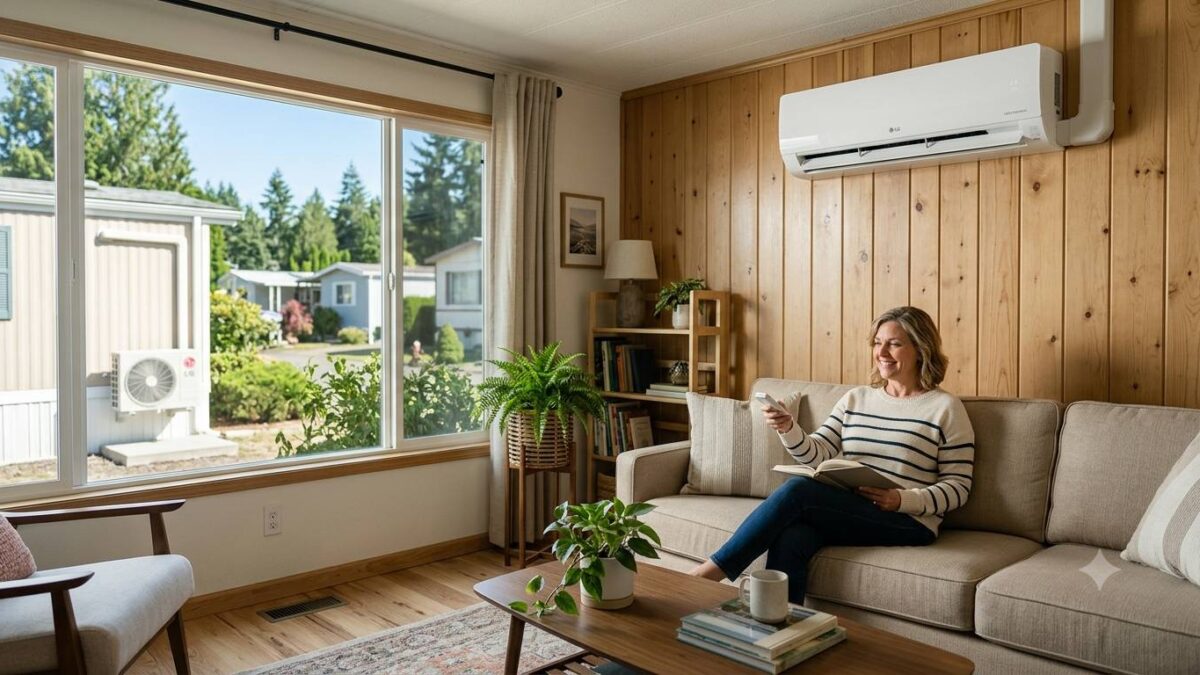
Ductless mini-split systems offer targeted cooling without relying on traditional ductwork. Because each indoor unit operates independently, homeowners can cool specific rooms according to their needs rather than conditioning the entire house equally. This flexibility can improve comfort in areas where central systems struggle to maintain consistent temperatures.
For some households, combining a central air conditioner with a ductless system provides a practical solution that addresses persistent hot spots while improving overall energy efficiency.
Practical Steps You Can Take Today
Before scheduling major HVAC repairs, there are several simple steps that may improve cooling performance.
- Replace the air filter if it appears dirty.
- Make sure all supply and return vents are open and unobstructed.
- Seal visible gaps around windows and exterior doors.
- Keep blinds or curtains closed during the hottest part of the afternoon.
- Remove leaves, grass, and debris from around the outdoor condenser.
- Schedule seasonal HVAC maintenance to keep the system operating efficiently.
While these improvements won’t solve every problem, they often help homeowners identify whether the issue is related to maintenance or something more significant.
Final Thoughts
Cooling problems in a mobile home don’t always point to a failing air conditioner. In many cases, airflow restrictions, insulation gaps, duct leaks, or everyday maintenance issues have a much greater impact on indoor comfort than homeowners realize. Addressing these factors first can improve cooling performance while avoiding unnecessary equipment replacement.
If comfort problems continue despite regular maintenance, it may be time to explore cooling solutions that better match your home’s layout and daily needs. Whether that involves improving airflow, upgrading insulation, or considering a ductless system for specific areas, taking a whole-home approach often delivers the most effective and lasting results.