
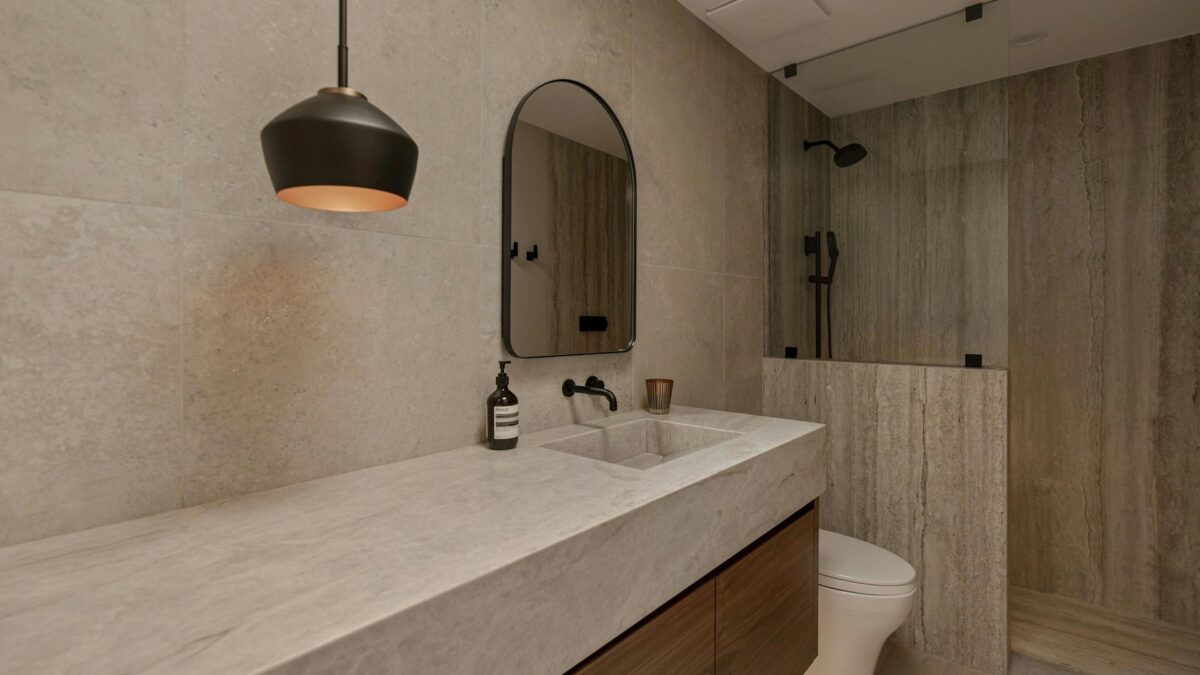
Simple Layout Changes That Can Transform Your Bathroom Space
A cramped bathroom can make your morning routine feel like a chore. Many homeowners believe they need a massive addition to fix this. However, the secret often lies in the layout rather than the square footage. Small adjustments can create a sense of luxury and ease. By rethinking how you use your space, you can achieve a total transformation. Professional remodeling insights suggest that flow is just as important as the fixtures you choose. Let’s explore how simple layout changes can breathe new life into your home.
Start with a Clear Bathroom Layout Plan
Success begins with a solid plan before you ever pick up a hammer. You must understand where your plumbing lines currently run. Moving pipes can be expensive and time-consuming. Measure every inch of the room to ensure accuracy. Pay close attention to the direction your door swings. Your bathroom layout isn’t working if the door hits the vanity or the toilet. Create a simple floor plan on paper or use a digital tool. This helps you visualize the flow before making any permanent changes. Planning prevents costly mistakes during construction.
Reposition the Vanity for Better Flow
The vanity is often the largest piece of furniture in the room. If it sits in a high-traffic area, it creates a bottleneck. Moving it to a different wall can instantly open up the walking path. Consider installing a corner vanity if you have an awkward alcove. Floating vanities are another excellent choice for modern homes. They attach to the wall, leaving the floor beneath them clear. This extra floor visibility makes the entire room appear much larger. Your bathroom layout isn’t working if you feel trapped while brushing your teeth each morning.
Switch to a Walk-In Shower Instead of a Tub
Many older bathrooms feature bulky tub-and-shower combinations that eat up floor space. If you rarely take baths, consider removing the tub entirely. A sleek walk-in shower creates an open, airy atmosphere. It removes the physical barrier of a high tub wall. This change makes the bathroom more accessible for people of all ages. Use frameless glass panels to enclose the new shower area. Clear glass allows the eye to travel through the entire space. This simple visual trick makes even a tiny bathroom feel like a spa.
Optimize Toilet Placement
The toilet is the most important fixture, but it should not be the focal point. Moving the toilet just a few inches can significantly improve circulation. Try to keep it tucked away from the direct line of sight from the door. Wall-mounted toilets are gaining popularity because they save precious floor space. They offer a minimalist look that is very easy to clean. Aim for at least 15 inches of space from the center of the toilet to the nearest wall. This ensures comfort and meets residential building code standards.
Improve Storage with Vertical Layout Design
Floor space is a premium commodity in any bathroom remodel. Instead of wide cabinets, look toward your walls for storage solutions. Vertical storage keeps your essentials organized without crowding the room.
- Install tall, narrow linen cabinets in unused corners.
- Add floating shelves above the toilet for extra towels.
- Create recessed niches inside the shower walls for soap.
- Use over-the-door hooks for robes and wet towels.
- Incorporate a medicine cabinet that sits flush with the wall. These small additions keep the floor clear and the design looking sharp.
Add Smart Lighting to Enhance the Layout
Lighting plays a massive role in how we perceive physical space. A single overhead light can create dark corners and make a room feel small. Layered lighting is the best way to visually expand the bathroom. Combine vanity lights with recessed ceiling lights for a balanced glow. LED mirrors provide excellent task lighting for grooming while adding a modern touch. Introduce more natural light through a skylight. Frosted windows also provide brightness while maintaining your necessary privacy. Good lighting highlights your new layout and improves the overall mood.
Use Sliding or Pocket Doors
Standard swinging doors require substantial clearance to operate properly. In a small bathroom, this “swing zone” is often wasted space. Replacing a traditional door with a pocket door is a game-changer. Pocket doors slide into the wall, requiring no floor space. If a pocket door is too complex for your structure, try a sliding barn door. These doors stay flush against the outer wall when opened. This simple change can dramatically improve accessibility and floor space. It allows you to place fixtures closer to the entryway without interference.
Create Zones for Better Functionality
A well-designed bathroom should be divided into functional zones. This approach improves efficiency, especially when two people use the room at once. Designate a grooming area around the vanity and mirror. Keep the shower area separate with its own dedicated lighting and storage. The toilet area should feel private and out of the way. Zoning allows the eye to move logically from one part of the room to the next. It creates a sense of order, making the space feel more professional. Functional zones turn a cluttered room into a high-end suite.
Upgrade Fixtures Without Changing Plumbing Lines
You do not always need to move pipes to improve your layout. Sometimes, choosing smaller fixtures makes a huge difference. Swap a massive pedestal sink for a compact wall-hung basin. Replace an elongated toilet with a round-front model to save two inches of space. These minor adjustments improve the room’s “empty” space without incurring high labor costs. Keeping your plumbing lines in their original spots saves a significant amount of money. You can use those savings to buy higher-quality tiles or modern faucets.
Use Mirrors and Glass to Expand the Space
Mirrors are a designer’s best friend when it comes to layout transformations. A large mirror reflects light and the opposite wall, doubling the perceived depth. Consider a wall-to-wall mirror above the vanity for a seamless look. Glass partitions also help maintain an open floor plan. Unlike shower curtains, glass does not act as a visual wall. It allows light to flow freely from the window to the rest of the room. Reflective surfaces, such as glossy tiles, can further enhance this bright, spacious feeling.
Focus on Minimalist Design
A cluttered layout always feels smaller than it actually is. Adopting a minimalist design philosophy helps emphasize your new layout changes. Choose a neutral color palette, such as soft whites, grays, or beiges. Use simple hardware and clean lines for your faucets and towel bars. Remove any unnecessary décor that crowds the countertops or floor. A “less is more” approach lets the room’s architecture shine. Minimalism creates a calming environment that is perfect for a relaxing bathroom.
Improve Ventilation and Air Flow
A great layout must also account for air quality and comfort. Proper ventilation prevents mold growth and keeps the room smelling fresh. Ensure your exhaust fan is powerful enough for the room’s size. If the bathroom feels stuffy, consider repositioning the fan or adding a window. Good airflow protects your investment by keeping moisture away from your new cabinets. It also makes the bathroom more comfortable for daily use. High-quality ventilation is a functional layout change that you will appreciate every single day.
Conclusion
Transforming your bathroom does not require a massive budget or extra square footage. By focusing on smart layout changes, you can create a space that feels open and efficient. Moving a vanity, switching to a walk-in shower, or adding vertical storage makes a huge impact. Remember to plan carefully and prioritize flow over clutter. These simple adjustments will increase your home’s value and improve your daily life. Start your journey toward a more beautiful, functional bathroom today by rethinking your current space.