
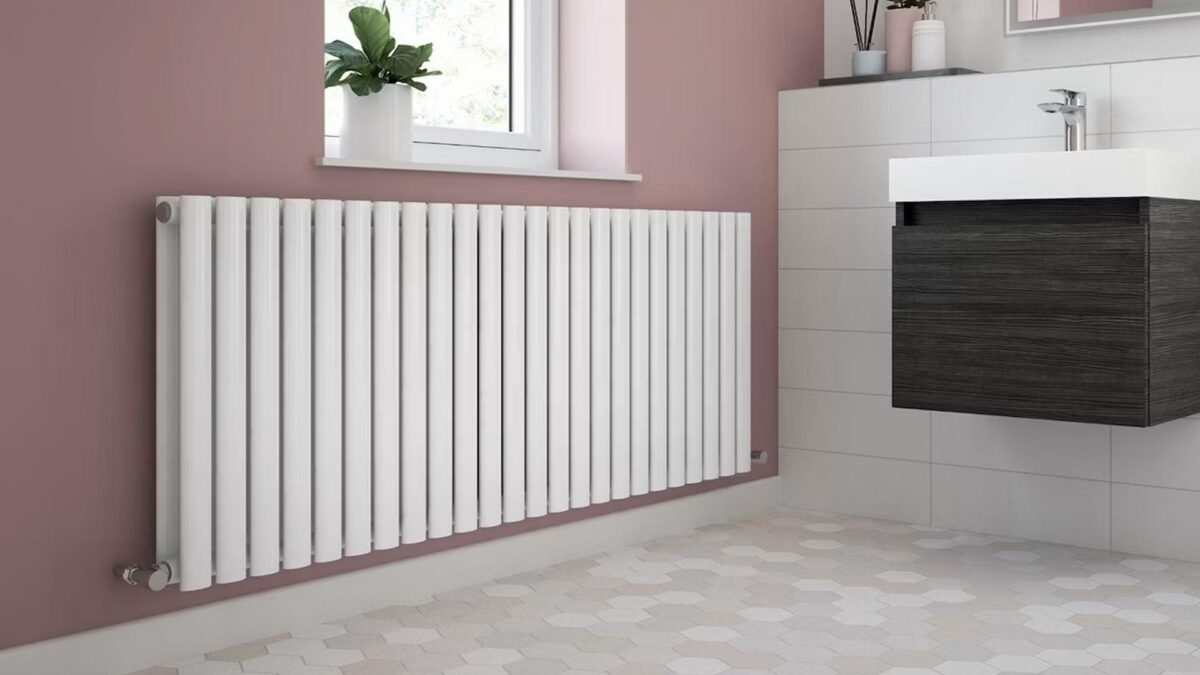
The Truth About Radiator Covers and Whether They Affect Room Temperature
Radiator covers have become increasingly popular in modern homes, offering a blend of style, safety, and practicality. They can transform an ordinary radiator into an attractive design feature while providing additional shelf space and helping to protect children and pets from hot surfaces. However, one question continues to spark debate among homeowners and interior designers alike: Do radiator covers affect room temperature? Understanding how radiator covers influence heat distribution can help homeowners make informed choices that balance aesthetics with energy efficiency and comfort.
Overview
Many people researching the radiator covers impact on heat output are concerned that adding a decorative cover may reduce heating performance. This concern is understandable because radiators rely on both convection and radiant heat to warm a room. If airflow becomes restricted, the heating system may need to work harder to achieve the desired temperature. The reality, however, is more nuanced than a simple yes or no answer.
How Radiators Heat a Room
Before examining radiator covers, it is important to understand how radiators transfer heat.
Radiant Heat
A radiator emits warmth directly into the room through radiant heat. This energy warms nearby objects, walls, furniture, and occupants.
Convection Heat
At the same time, the air surrounding the radiator becomes warm and rises. Cooler air moves in to replace it, creating a circulation pattern that spreads heat throughout the room.
The balance between these two processes determines how effectively a space reaches a comfortable temperature.
A key consideration when evaluating the radiator covers impact on heat output is how much the cover interferes with these natural heating mechanisms. The design, materials, and ventilation of the cover all influence the outcome.
Do Radiator Covers Actually Reduce Heat Output?
The short answer is yes, radiator covers can reduce heat output to some degree. However, the amount of heat loss varies significantly depending on the cover’s construction.
Poorly Designed Covers
Covers with solid fronts, limited ventilation, or tightly enclosed sides can trap warm air around the radiator. This restriction reduces airflow and slows the circulation of heat throughout the room.
Well Designed Covers
Modern radiator covers often incorporate grille panels, slatted fronts, and open sections that allow warm air to move more freely. In these cases, any reduction in heat output may be relatively small and unlikely to affect everyday comfort noticeably.
For many households, the difference is modest enough that the aesthetic and practical benefits outweigh the slight decrease in efficiency.
Factors That Influence Heat Performance
Not all radiator covers perform in the same way. Several factors determine whether they significantly affect room temperature.
Ventilation Openings
The more opportunities warm air has to escape, the better the cover will perform. Open grilles and top vents help maintain natural airflow.
Cover Material
Wood remains one of the most popular materials for radiator covers, but thicker materials may absorb some heat before it enters the room. Metal grilles often allow heat to pass more efficiently.
Distance from the Radiator
A cover that sits too close to the radiator can restrict airflow. Adequate spacing is essential for maintaining effective heat circulation.
Room Size
In larger rooms, a small reduction in radiator efficiency may be less noticeable. In compact or poorly insulated rooms, any heat loss may have a greater impact.
Benefits of Using Radiator Covers
Although heating performance is an important consideration, radiator covers offer several practical advantages.
Key Benefits Include:
- Improved interior appearance
- Additional display or storage surface
- Increased child and pet safety
- Concealment of older radiators
- Reduced exposure to sharp edges
- Better integration with room décor
These benefits explain why radiator covers remain a popular feature in many UK homes despite ongoing concerns about heat efficiency.
Common Misconceptions About Radiator Covers
Several myths continue to circulate regarding radiator covers and heating performance.
Myth 1: Covers Completely Block Heat
Even enclosed covers allow some heat to escape. The issue is generally one of reduced efficiency rather than complete heat blockage.
Myth 2: Every Cover Causes Major Heat Loss
Well-ventilated designs often have only a limited effect on room temperature. Significant heat reduction is usually associated with poor design rather than the concept itself.
Myth 3: Covers Always Increase Energy Bills
Energy costs depend on multiple factors, including insulation, thermostat settings, boiler efficiency, and room usage. A radiator cover alone is rarely responsible for substantial increases.
Choosing a Heat-Efficient Radiator Cover
Homeowners can minimise performance issues by selecting radiator covers carefully.
Features to Look For
- Slatted or grille front panels
- Open the bottom sections
- Ventilated top surfaces
- Adequate internal spacing
- Heat-resistant materials
These features support airflow while preserving the decorative function of the cover.
Additional Ways to Improve Heating Efficiency
Whether using radiator covers or not, several measures can improve overall heating performance.
Helpful Heating Tips
- Bleed radiators regularly
- Install reflective radiator foil
- Keep furniture away from heat sources
- Upgrade insulation where possible
- Use programmable thermostats
- Ensure radiators are properly balanced
Combining these practices with a suitable radiator cover can help maintain warmth and improve energy efficiency.
Are Radiator Covers Worth It?
The answer depends largely on individual priorities. Homeowners seeking a cleaner, more refined appearance often find radiator covers worthwhile. Those focused solely on maximum heat output may prefer leaving radiators uncovered.
In many situations, a high-quality cover provides an excellent compromise. Modern designs can complement interior décor while maintaining acceptable heating performance. The key is selecting a product that promotes airflow rather than restricting it.
Finding the Balance
Radiator covers do have the potential to affect room temperature, but their impact is often overstated. Well-designed covers with adequate ventilation allow warm air to circulate effectively while delivering valuable aesthetic and practical benefits. Homeowners who prioritise both comfort and appearance can achieve a successful balance by choosing quality products and ensuring proper installation. Rather than viewing radiator covers as a threat to heating efficiency, it is more accurate to see them as a design choice that requires thoughtful selection to achieve the best overall results for the home.