
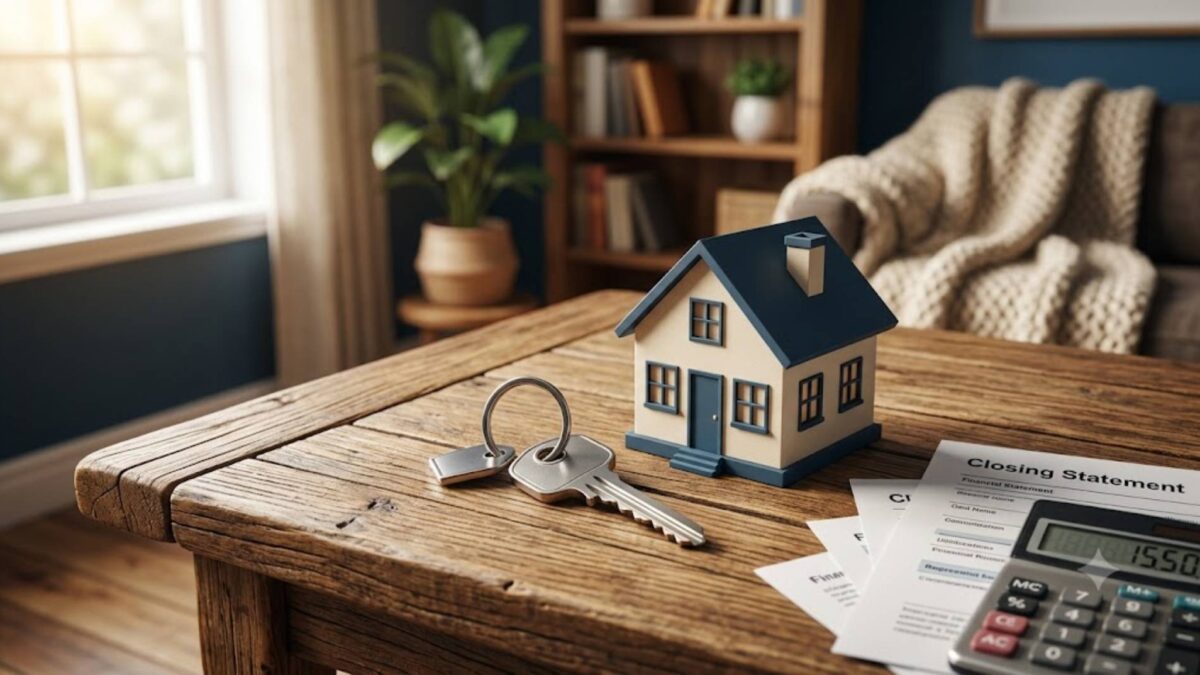
The True Cost of Home Ownership: Beyond the Mortgage Payment
Buying a house is a monumental milestone. For many, staring at the monthly mortgage estimate brings a sense of relief—it feels manageable, precise, and fixed. However, that mortgage check is only one piece of a much larger financial puzzle.
The real financial commitment of owning a home extends well beyond principal and interest. From routine maintenance to unexpected emergency repairs, the secondary costs of homeownership can quickly surprise buyers who budget only for the loan payment. Understanding these hidden or underbudgeted expenses allows you to safeguard your finances, protect your investment, and enjoy your home without financial strain.
Predictable Recurring Costs vs. Irregular Capital Expenses
To build a realistic home budget, it helps to categorize expenses into two main groups: predictable recurring costs and irregular capital expenses.
Predictable Recurring Costs
These are ongoing, regular operational expenses you can track month to month or year to year:
- Property Taxes: Often collected via escrow, local property taxes fund municipal services, infrastructure, and schools. They are subject to periodic reassessments and rate changes.
- Homeowners Insurance: Essential protection against major losses, storms, and liability. Premiums fluctuate based on location, coverage levels, and claims history.
- Utilities: Heating, cooling, electricity, water, trash removal, and sewer service. Unlike fixed rent utility caps, home utility costs vary dramatically by season and usage.
- Routine Servicing & Landscaping: Periodic upkeep such as gutter cleaning, lawn care, pest control, and seasonal servicing for heating and cooling systems.
- Association or Service Charges: Monthly or annual dues required by Homeowners Associations (HOAs) or condo boards to cover shared amenities and common area upkeep.
Irregular Capital Expenses
These are intermittent, higher-cost events that occur over long horizons:
- Roof Replacement & Major Repairs: Structural elements have finite lifespans and require significant financial outlays when replacement becomes necessary.
- Appliance & Equipment Replacement: Refrigerators, water heaters, washers, and dryers generally need replacement every 8 to 15 years.
- Plumbing & Electrical Upgrades: Fixing main water line leaks, rewiring aging panels, or replacing corroded pipes.
- Renovations & Cosmetic Refreshing: Updating kitchen fixtures, repainting exteriors, or remodeling outdated spaces to preserve value.
- Emergency Repairs: Immediate fixes required for unexpected damage, such as storm repairs, burst pipes, or broken furnaces in winter.
What Determines Your Actual Maintenance Costs?
Rather than relying on a rigid rule of thumb, it is wiser to recognize that maintenance demands vary significantly across properties. Key drivers include:
- Property Age and Condition: Older homes generally require frequent minor fixes and possess systems closer to the end of their useful lifespans. Newer homes enjoy lower initial costs, though systems eventually age simultaneously.
- Property Size and Layout: Larger square footage means bigger roofs, more flooring, longer pipe runs, and more exterior surface area to repair and paint.
- Climate and Environment: Harsh winters, high humidity, coastal saltwater air, or extreme summer heat accelerate wear and tear on siding, foundations, and HVAC equipment.
- Construction Quality and Materials: Durable building materials like masonry or stone require less frequent intervention than wooden siding or composite materials.
- Amenities: Swimming pools, hot tubs, large irrigated gardens, and extensive outdoor lighting introduce additional ongoing maintenance requirements.
Comparing Responsibilities Across Property Types
Different home styles come with distinct trade-offs between initial costs and ongoing upkeep responsibilities.
1. Apartments and Condominiums
Condo living trades personal control for operational convenience. The condo board or association manages exterior maintenance, roof replacement, groundskeeping, and shared infrastructure using member dues.
- Pros: Lower physical labor, predictable monthly HOA fees, shared risk for exterior damage.
- Risks: Dues can rise, and unexpected infrastructure projects can lead to substantial, mandatory special assessments.
2. Newer Single-Family Homes
Modern builds feature energy-efficient HVAC units, newer roofs, updated electrical grids, and current building code standards.
- Pros: Minimal short-term repair requirements, higher energy efficiency, manufacturer warranties on major appliances.
- Risks: High purchase prices, potential builder defects, and the eventual cluster of replacements when components reach the 10-to-15-year mark at the same time.
3. Aging Detached Properties
Older homes offer architectural charm, established neighborhoods, and larger plots of land, but require continuous vigilance and active capital investment.
- Pros: Character, potential for equity growth through strategic renovation, often larger yard space.
- Risks: Unforeseen structural issues, outdated plumbing or wiring, lower insulation values, and higher overall maintenance expenditures.
Key Steps to Protect Your Investment
Navigating the true cost of homeownership requires preparation long before you receive the keys.
- Conduct Thorough Due Diligence: Hire a highly qualified home inspector to evaluate the roof, HVAC systems, foundation, plumbing, and electrical panels. Request an estimate of the remaining operational lifespans of major appliances.
- Review Legal & Association Documents: If buying into an HOA, review the financial reserves, meeting minutes, and history of special assessments to avoid sudden fee increases.
- Establish a Dedicated Property Emergency Fund: Reserve funds specifically for home repairs separate from your standard personal emergency savings.
- Partner with Qualified Lenders and Agents: Work with experienced professionals who can clearly explain property tax rates, escrow requirements, and insurance quotes during the offer and negotiation phase.
Frequently Asked Questions (FAQ)
What hidden costs should first-time homebuyers budget for?
Beyond principal, interest, taxes, and insurance, budget for initial moving costs, utility setup fees, basic tools, lawn equipment, immediate repairs, window treatments, and potential HOA transfer charges.
How much should I set aside for home maintenance?
While exact needs vary by home age and condition, maintaining a dedicated savings reserve covering at least 1% to 3% of the home’s purchase price offers a solid safety net for unexpected repairs and long-term capital updates.
Can home insurance cover routine maintenance costs?
No. Homeowners insurance covers sudden, accidental damage caused by covered perils (such as fires or storms). It does not cover wear and tear, neglected maintenance, or old equipment breaking down naturally.
Conclusion
Homeownership remains one of the most rewarding ways to build equity, security, and personal space. However, true long-term satisfaction relies on financial clarity. By looking beyond the monthly mortgage payment and anticipating recurring operating costs, capital upgrades, and unexpected repairs, you can step into homeownership with confidence, protect your asset, and enjoy your home for years to come.